Looking for a chemistry tutor in San Francisco? Our UC Berkeley tutors work one-on-one with high schoolers in chemistry, honors chemistry and AP Chemistry, at home in Pacific Heights, West Portal, the Sunset and every other neighborhood, or online. At most of the city’s high schools chemistry arrives in 10th grade, and the grade a student earns there, along with their algebra, decides who moves on to AP Chemistry.
Lowell: two routes into AP Chemistry
At Lowell High School, Chemistry and Honors Chemistry open in 10th grade, and AP Chemistry, which Lowell describes as the equivalent of an introductory college course, waits until 11th or 12th. A student coming from Honors Chemistry is expected to have a B there. A student coming from regular Chemistry needs the same B and also a score of 66 percent on the UC math readiness test the science department uses, so algebra counts twice on that route. Sophomores who want AP Biology early must also take chemistry that year, which makes chemistry a sophomore course for them.
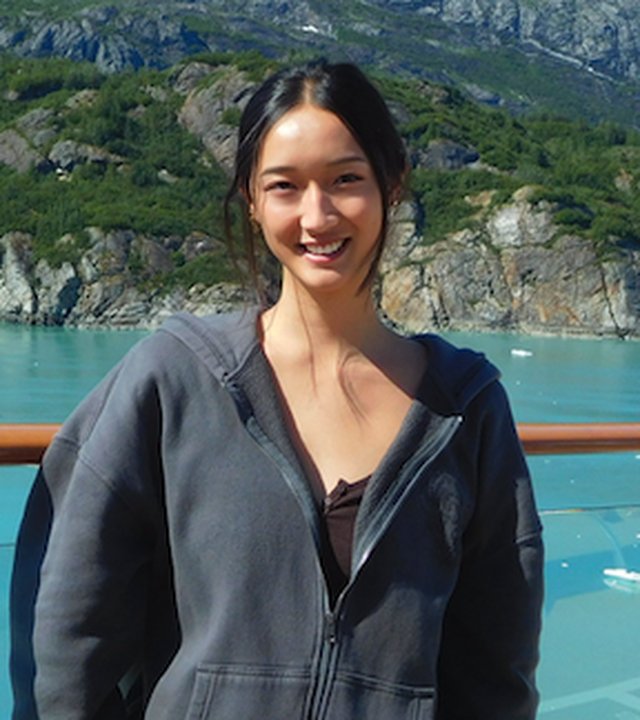
The first-year course turns on what Lowell calls the quantitative limits on reactions: moles, limiting reactants and percent yield, where one wrong ratio costs the whole problem. Samantha, a Ph.D. student in bioengineering who tutors chemistry alongside biology and math, works through those setups with sophomores until they can build one from a blank page, and keeps their algebra ready for the readiness test when AP is the goal.
“Our tutor is truly amazing! He is so patient, explains things well, asks great questions, and checks for understanding. Owen really enjoyed working with him and they accomplished so much. This is really a game changer for us! I had high hopes and he exceeded them.”
A note from a parentSt. Ignatius and Sacred Heart: honors by the numbers
At St. Ignatius, Chemistry Honors asks for a 3.3 science GPA and a 3.3 overall GPA, after Biology and either Algebra 1 Accelerated or Algebra 2 Honors. AP Chemistry is for juniors and seniors who have finished Biology, Chemistry and Physics with those same GPAs, and SI strongly recommends Honors Chemistry first. At Sacred Heart Cathedral, a freshman who misses an A in the second semester of physics is placed in regular Chemistry, and AP Chemistry asks for a 3.7 science GPA or a qualifying AP Potential score from the PSAT.
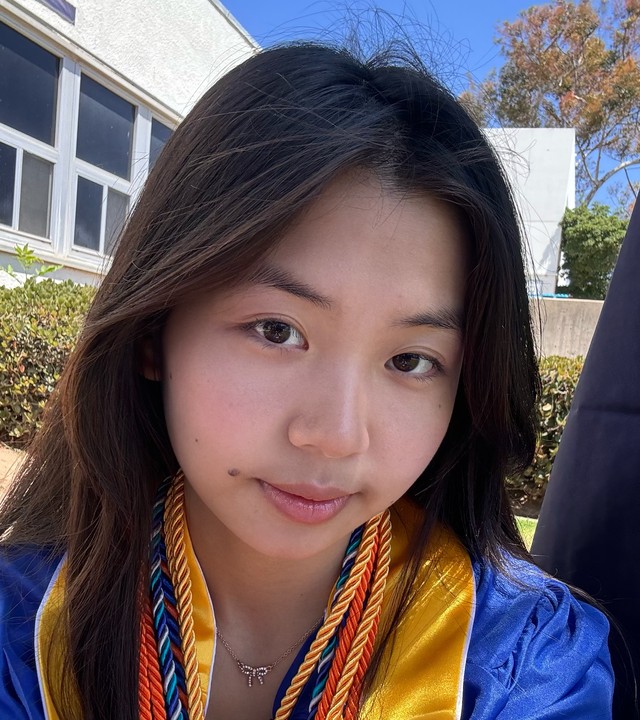
Cutoffs like these leave little room for one rough unit. Amy, a chemical engineering student who tutors chemistry, physics and math, helps a Sacred Heart freshman hold the physics A that honors depends on, and helps an SI sophomore keep the science GPA that AP Chemistry will ask for, test by test.
Chemistry after physics, and the logarithms AP expects
At University High, Convent & Stuart Hall and the Bay School, freshmen take physics and chemistry follows in 10th grade. Convent & Stuart Hall places sophomores in Honors Chemistry on a department recommendation that weighs their physics work and their algebra. Its AP Chemistry expects students to solve logarithmic equations, which come late in Algebra II. At Lick-Wilmerding, chemistry comes after biology, and 10th grade Chemistry is a prerequisite for every upper-level science course.
Logarithms reach chemistry through pH and equilibrium, often before a student has practiced them in math class. Sophie, who studies chemical biology and tutors chemistry, math and physics, teaches the log rules inside acid and base problems, so a junior isn’t waiting on Algebra II to understand the chemistry.
Chemistry at every San Francisco high school
In high school we tutor college-prep chemistry, honors chemistry, and AP Chemistry, along with the Algebra II and precalculus that chemistry leans on. We work with students at Urban, Drew, Riordan, Lincoln and every school above. At Lincoln, the science department advises a C or better in Algebra 1-2 before NGSS Chemistry, so the algebra grade is the first thing we shore up there. For AP students, the free-response half of the exam in May decides much of the score, and our tutors practice those multipart questions with each student, writing out every step a grader looks for.
Sessions are one-on-one, at your home or online. Tell us where your student goes to school and which chemistry class they’re in, and we’ll match them with a tutor.