

Biology has a lot of new vocabulary, but the grade usually depends on more than memorizing it. Students are asked to read data, explain a process step by step and write up what a lab showed. Many of our Stanford tutors study human biology, bioengineering or neuroscience, and they help students understand the material well enough to explain it in their own words.
High school biology
Nearly every student takes biology early in high school; at Palo Alto High School it’s a ninth-grade course. For many students it’s also the first class where lab reports and written answers make up a large part of the grade.
Our Stanford tutors look at the work behind the grade. Some students need a firmer grasp of cells, genetics or evolution. Others understand the science and lose points explaining it. A weekly session covers both: what the last class taught, what’s on the next test and how to write up a result clearly. For a student who plans to take honors or AP Biology later, we can also work ahead.
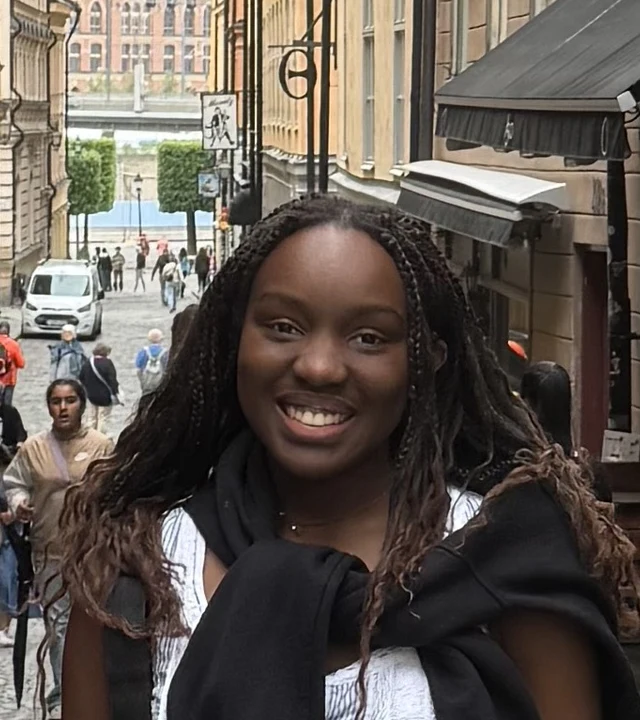
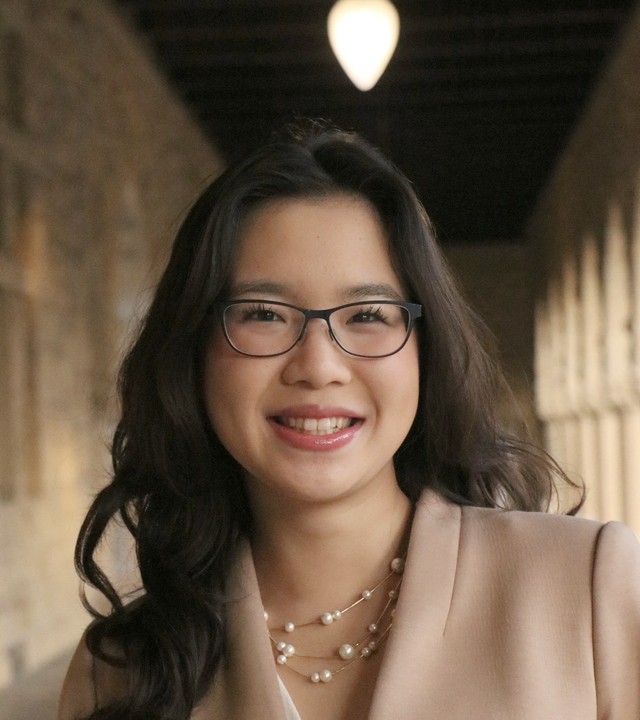
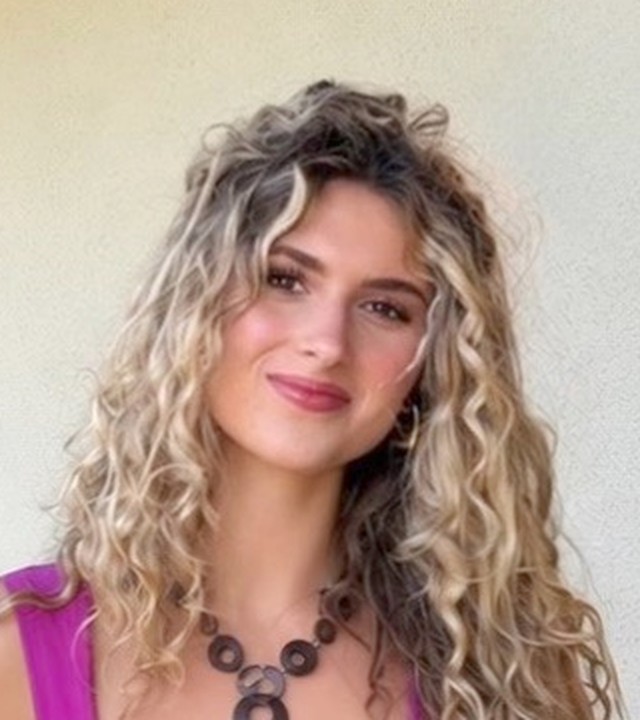
Samantha, one of our Stanford tutors, is a Ph.D. student in bioengineering who received the President’s Undergraduate Research Award. Samantha helps students see how the topics in a unit connect, so there is less to memorize.
“Your program really helped us. Henry pulled up his English last year to an A, and his next tutor helped him pull up his math and bio.” “Everyone is looking for tutors and I said you're the best.”
A note from a parentLife science in middle school
Middle school science asks students to explain why things happen, not just to learn the terms, and that is the same skill high school biology grades. Our Stanford tutors help middle schoolers read a science text, pick out what matters and put it in their own words, so their first year of high school biology starts on firm footing. For a child who already loves science, there’s room to go further into genetics or ecology after the class moves on.
AP Biology tutoring
AP Biology is a college-level course that many students take in junior or senior year, after chemistry. Half the exam score comes from free-response questions, and the longest ones ask students to interpret the results of an experiment.
Our Stanford tutors use released AP questions during the year, while the material is fresh. Spring review then goes to the topics that still need work, and students learn which answers lose credit because part of the explanation is missing.
Mila, one of our Stanford tutors, studies neuroscience and co-wrote a published paper from a Harvard Medical School lab. She helps students judge how much explanation a free-response question calls for and finish the exam on time.
Science fair research
Some students take on their own research for a science fair such as the Synopsys Championship in Santa Clara County. The project is the student’s own work. Deling, one of our Stanford tutors, studies human biology and was a Regeneron ISEF finalist and a Science Talent Search scholar. Deling helps students understand the methods and numbers in their project well enough to answer a judge’s questions about them.
Let us know which biology class your child is taking and how it’s going so far, and we’ll recommend a Stanford tutor.