

Calculus moves quickly, and each unit builds on the one before it. A student who falls behind in the fall usually feels it for the rest of the year, and the AP exam in May covers all of it. Our Stanford tutors took these courses not long ago, and they can explain an idea several ways until one makes sense.
From precalculus to calculus
Precalculus is where many students who did well in algebra first find math hard. Functions, exponents, logarithms and trigonometry arrive together, and gaps from earlier years start to cost points. Calculus then uses all of it at once, so many mistakes on a derivative problem are really algebra or trig mistakes.
Our Stanford tutors look at a student’s recent homework and tests to find where the trouble starts. We fix that while keeping up with what’s due this week, so the student starts calculus on solid ground.
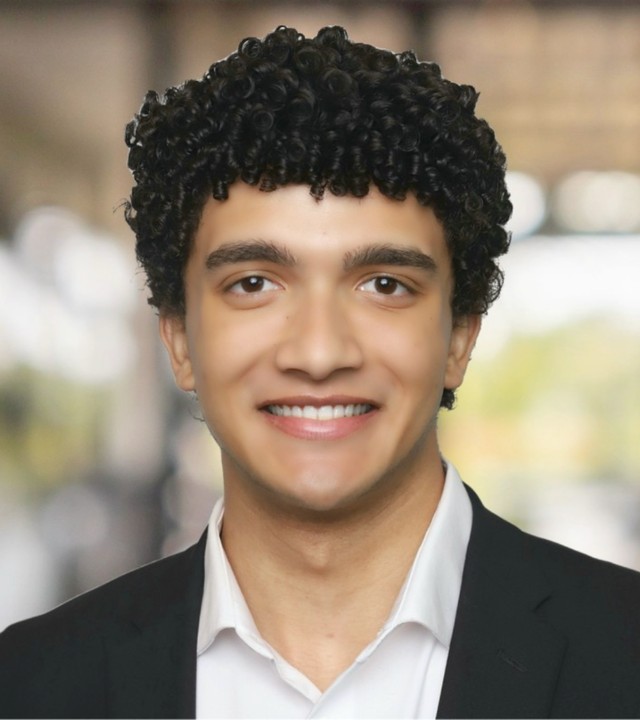
Asher, one of our Stanford tutors, studies structural engineering, belongs to the Chi Epsilon civil engineering honor society and has been an engineering teaching assistant. Asher helps students connect the functions they learn in precalculus to the problems they will meet in calculus.
“The tutors themselves have been great: well-prepared, thoughtful and on-time. At each level of math needed, we found these Stanford students to be not just helpful tutors but great mentors as well.”
Yelp reviewKeeping up in calculus during the year
Many students follow the lesson in class and then get stuck on the homework, where they have to decide for themselves which method a problem needs. Our Stanford tutors meet weekly to go over what the last class covered, work through the problems that didn’t make sense and prepare for the next test. For a student who is already doing well and wants an A, we work on problems harder than the homework.
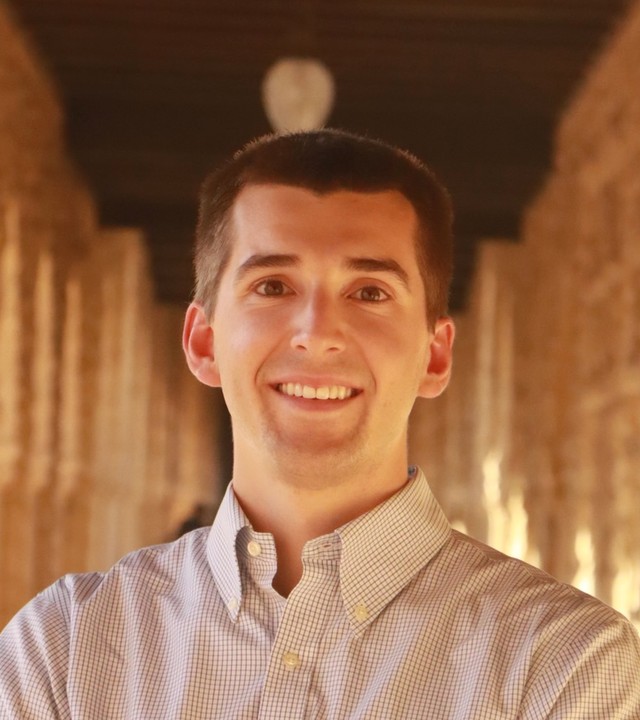
Nate, one of our Stanford tutors, is a chemistry Ph.D. student, an NSF Graduate Research Fellow and a Stanford Graduate Fellow who tutors chemistry, physics and calculus. Nate helps students understand what a derivative or an integral means, not just how to compute one.
AP Calculus AB and BC
Most high school students who take calculus take AP Calculus AB or BC. BC covers everything in AB and adds parametric and polar functions and infinite series. Which one to take depends on how solid precalculus was and what else is on the schedule that year, and we’re glad to help a family think it through.
Half of the AP exam score comes from free-response questions, where students write out their work by hand and lose credit for steps they leave out. Our Stanford tutors practice with past free-response questions and the College Board’s scoring guidelines, so students learn what earns credit.
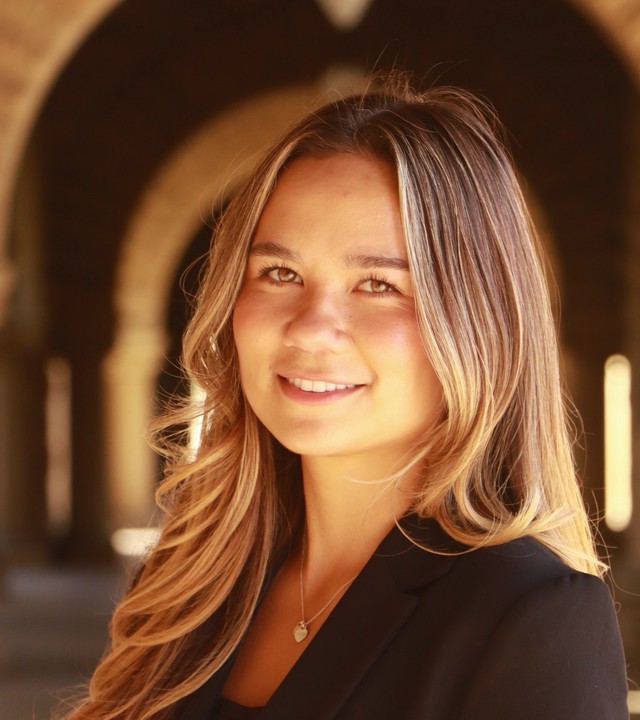
Wendy, one of our Stanford tutors, studies data science and economics and earned a 5 on the AP Calculus BC exam. Wendy shows students how to lay out a free-response answer so every step a grader looks for is on the page.
After AP Calculus
Some students finish AP Calculus BC before senior year and go on to multivariable calculus, such as Calculus Multivariable Honors at Aragon High School in San Mateo. Our Stanford tutors teach multivariable calculus too.
Tell us which calculus or precalculus class your child is taking and how the last test went, and we’ll suggest a Stanford tutor.