
A first project of their own
At Fletcher Middle School in Palo Alto, students can design video games in a programming elective. At Palo Alto High, AP Computer Science Principles welcomes first-time coders. If your teenager is learning alongside kids who have coded for years, a private session gives your child time to ask basic questions. A middle schooler who already makes games can spend that time on a project the class hasn’t covered.
We can start a beginner in Scratch, where kids snap blocks of code together, or in Python if they’d like to type their first program. If your child has made a game by following a video, a good next project might be adding a second player. That gives your child a reason to write original code for a game they already understand and want to keep playing.
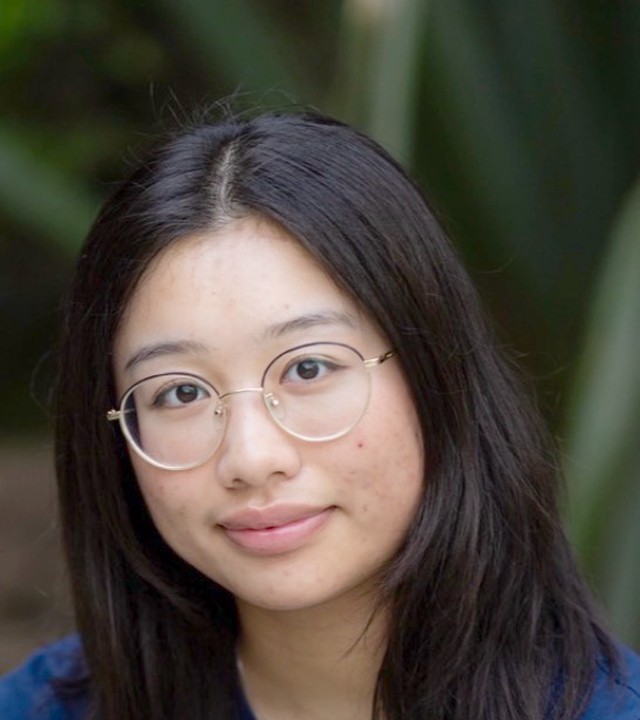
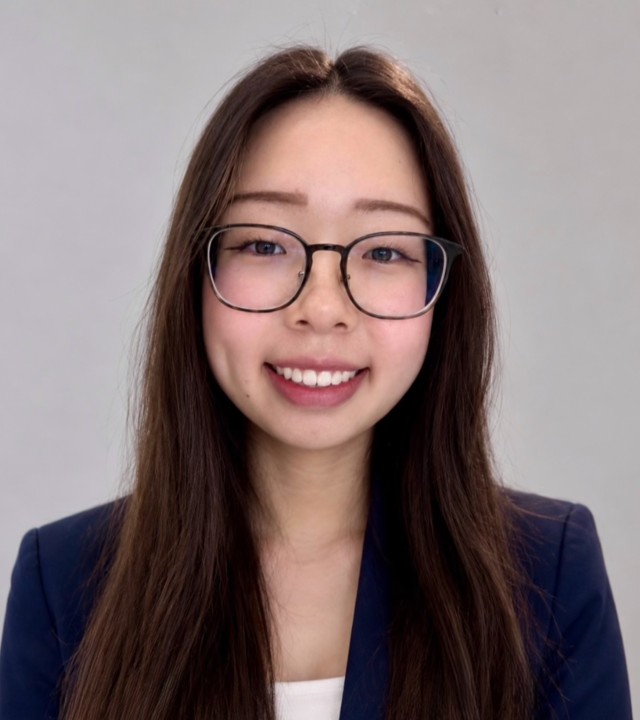
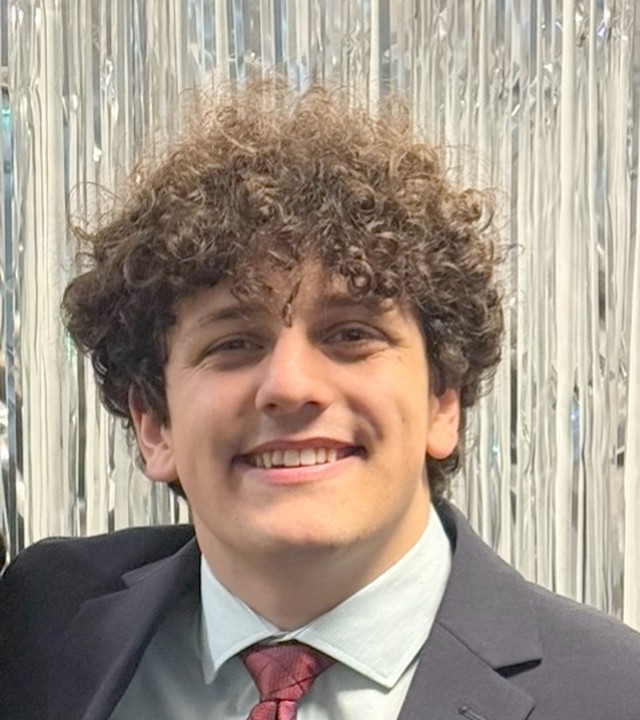
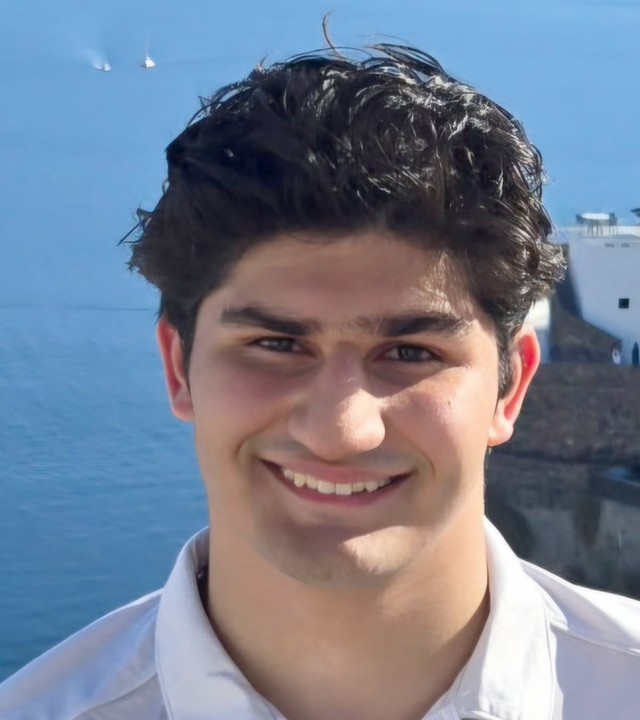
Jacob, one of our Stanford tutors, won first place at TreeHacks, Stanford’s hackathon, and researches machine learning in the university’s Multi-Robot Systems Lab. Jacob helps students turn a big idea for a game or an app into a first version they can finish and share.
“Fantastic tutoring service. The tutor (who was a Stanford junior) really connected with my son and inspired him to learn. He had some great study tips and was able to help my son raise his grades by quite a bit.”
Yelp reviewWhen a program gives the wrong answer
A program can skip the last number in a list of quiz scores and still return an average that looks reasonable. There may be no error message to tell the student where to look. That kind of homework can take an evening, even for a child who understands the math and knows what the program ought to do.
Our Stanford tutors help students work out whether the trouble lies in the plan for a solution or in the code they wrote to carry it out. The student stays at the keyboard. One sign of progress you can see at home is that your child knows where to look for a mistake and has a fix in mind to try.
Preparing for AP computer science
In AP Computer Science Principles, students build a program of their choice for the Create performance task. On exam day, they answer written questions about code from that project. A student who can show you everything an app does may find it hard to explain why it works. We use practice programs to help students put a design decision into words and describe how they’d test their code.
AP Computer Science A is a Java programming course. The exam asks students to predict what unfamiliar code will do and to write code that meets a set of requirements. If your child earns strong grades on labs and loses points on tests, we can look at a recent test together and see which kind of question needs work.
Wendy, one of our Stanford tutors, earned 5s on the AP Computer Science A, Calculus BC and Statistics exams. Wendy helps students spot what a free-response question asks their code to handle and write a complete Java answer under a time limit.
Robotics teams and programming contests
At Leland High School in San Jose, students build and program a robot for the FIRST Robotics Competition. During the autonomous part of a match, the robot follows the team’s code without a driver. For a student who loves the mechanical side of robotics, getting the robot to stop in the right spot is a good reason to learn to code.
Sarah, one of our Stanford tutors, was captain and technical lead of a FIRST Robotics team that qualified for the world championship. Sarah helps students read their team’s existing code and write changes their teammates can test on the robot.
The USA Computing Olympiad (USACO) is a good fit for students who enjoy math puzzles. In a contest, a program that gets the right answer for a small example may take too long on a larger set of numbers. We use past contest problems to help students judge how much work their solution asks the computer to do and find a faster approach.
To get started, send us the name of your child’s course or a few words about the project they have in mind. We’ll use that to recommend one of our Stanford tutors.