Speaking up in a first Spanish class
At Greene Middle School in Palo Alto, some seventh graders are just starting Spanish. Others are in Greene’s immersion program and have been learning in Spanish since elementary school. For a beginner, a vocabulary quiz can be the easy part. There’s time to look at a word and remember what it means. It’s harder to pick out that same word in the middle of a question and think of an answer before the conversation moves on.
In a private lesson, your child has someone to speak Spanish with for more than a few turns at a time. There’s room to finish a thought, ask a question back or find another way to say something when a word slips their mind. For the student who does all the homework but rarely raises a hand, that’s where we’d put the extra time.
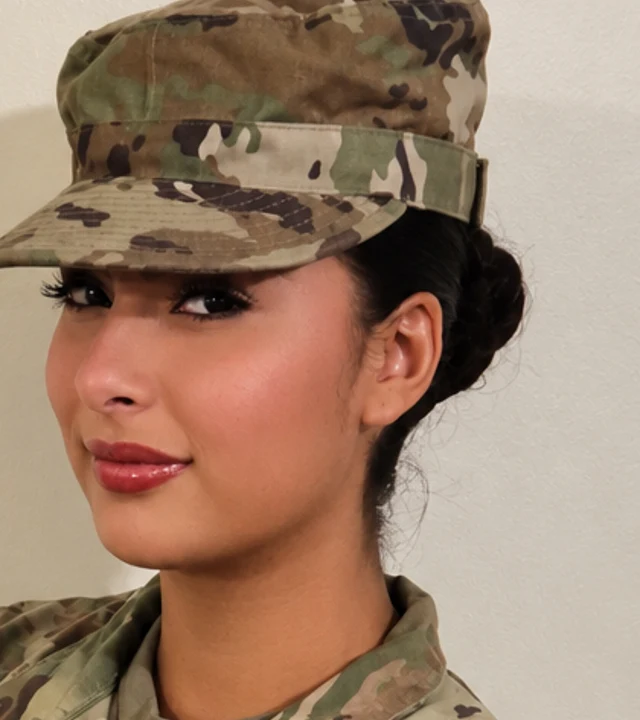
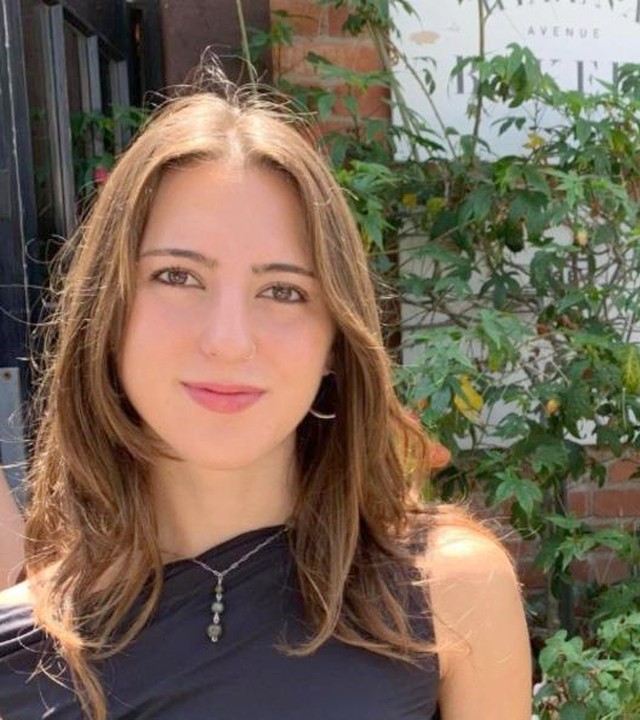
Raquel, one of our Stanford tutors, is an AP Scholar with Distinction and has bilingual teaching experience in Spanish. Raquel helps students use the verbs they know on paper to talk about what happened yesterday or what they want to do tomorrow.
“I am usually not one to write a review, but I wanted to communicate how great Cardinal Tutors was for my child. They had a very flexible plan which helped accommodate my child's needs and I saw a tremendous return (grade-wise) from their services. Could not recommend more highly.”
Yelp reviewReading and writing in two languages
At River Glen, a dual immersion school in San Jose, children learn school subjects in Spanish and English from kindergarten through eighth grade. When an assignment takes a long time, it can be hard to tell whether your child needs help with the subject or with reading about it in Spanish. We work with the books coming home from school and can tell you what your child is ready to read alone, even if you usually read together in English.
For a child who speaks Spanish with family and does most schoolwork in English, writing can raise questions that never come up in conversation. A student may hear the difference between hablo (“I speak”) and habló (“she spoke”) long before learning which one takes a written accent. We start with the Spanish your child already uses well and spend our time on the writing their next class will ask of them.
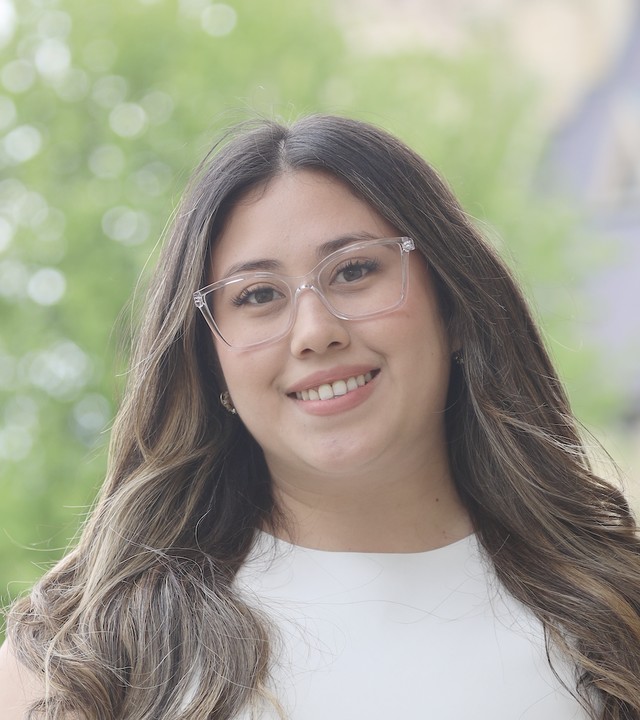
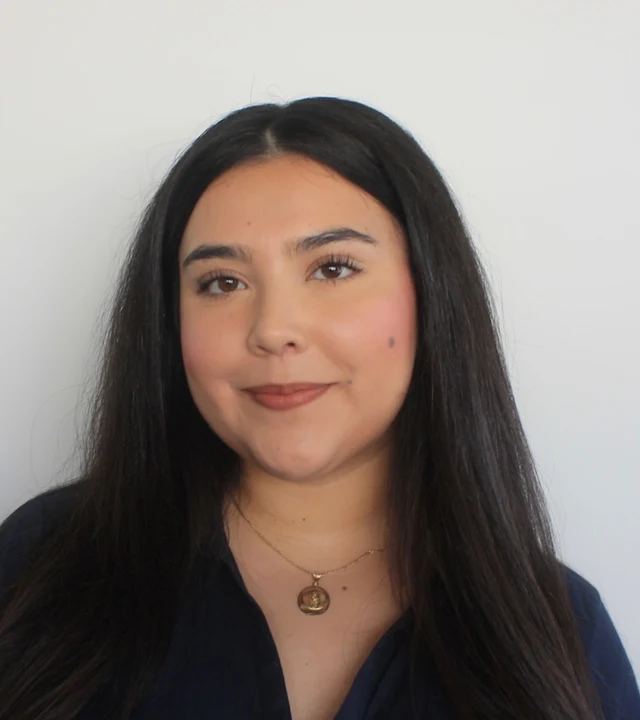
Lizbeth, one of our Stanford tutors, has a 4.0 GPA in a Stanford master’s program and tutors young children in early reading. Lizbeth helps young readers connect the words they know by ear to the ones they see in a book, so they can enjoy a story in Spanish on their own.
Following a high school class in Spanish
In the San Mateo Union High School District, teachers conduct most of Spanish II in Spanish. A student might understand a new verb tense in the textbook and miss the teacher’s explanation of when to use it. If homework goes well but class is hard to follow, we work on understanding Spanish at the pace your child hears it in school. Students who want a head start on honors Spanish can begin reading and discussing short stories with us while their current class still feels manageable.
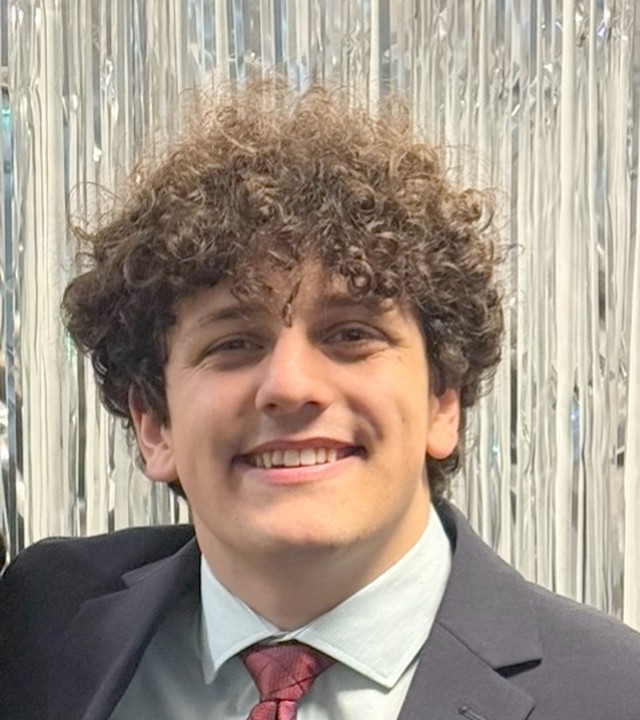
Price, one of our Stanford tutors, graduated as valedictorian with an IB Diploma. Price helps high school students explain an opinion in Spanish and give reasons for it without writing out every sentence in advance.
Preparing for the two AP Spanish exams
On the AP Spanish Language and Culture exam, students present a research project they’ve prepared during the year and answer recorded questions about it that they hear for the first time that day. Listening matters on the essay, too. Some of the evidence comes from a recording. We help students pick out the speaker’s point and use it alongside what they’ve read to make an argument of their own.
AP Spanish Literature and Culture calls for close reading. In Federico García Lorca’s La casa de Bernarda Alba, one of the required plays, Bernarda’s first word and her last are silencio. We help students explain in Spanish what that repeated demand for silence tells us about power in the family. They need that same eye for detail on the exam, where they compare a passage from the reading list with one from outside it.
When you get in touch, let us know where your child uses Spanish now and what they’d like to do with it next. We’ll match your family with one of our Stanford tutors for lessons at home or online.