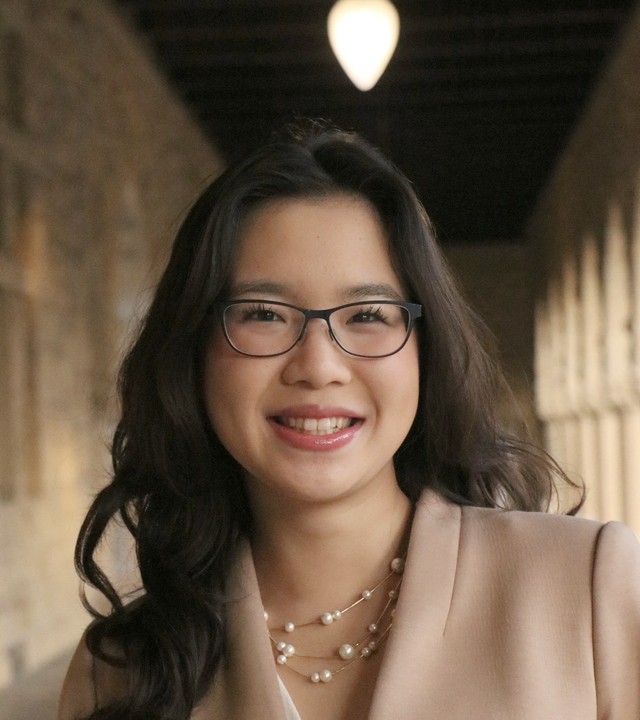
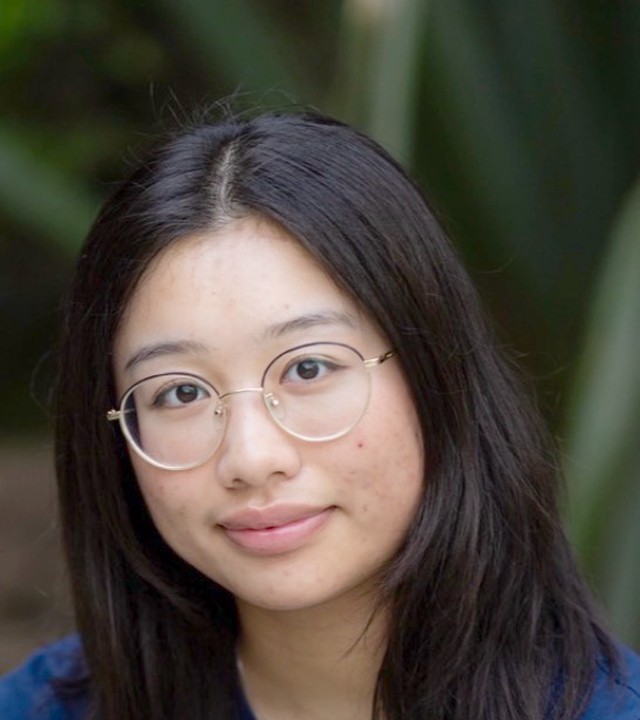
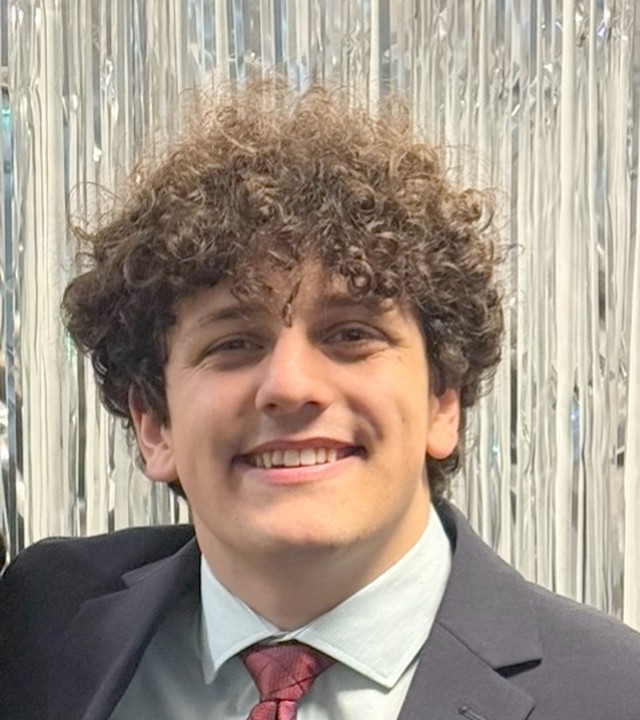
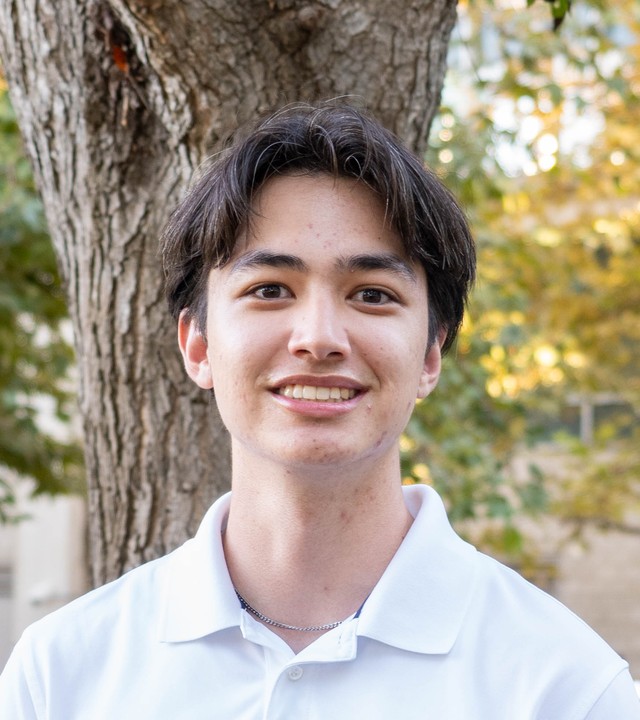
Statistics is graded differently from the math courses before it. Correct calculations earn only part of the credit; the rest comes from saying what the numbers mean, who was studied and how far a conclusion can go. Our Stanford tutors include students of data science and human biology, and they help with both the math and the written explanations.
Why statistics feels different
Most students come to statistics after Algebra 2, used to math with one right answer. Statistics asks them to choose a method, check whether it fits the data and then explain the result in a full sentence, in context. Probability is also new for many students, and it trips up even strong math students.
Our Stanford tutors help with whichever part is hard: the probability, choosing the right test or interval, or writing a conclusion that answers the question. We go over class notes and homework each week so a student doesn’t fall behind before the units on inference, which build on everything before them.
Deling, one of our Stanford tutors, studies human biology and is the first author of a paper in the Journal of Electrocardiology on predicting dementia from ECGs. Deling helps students understand what a statistical result can and can’t show.
“We used Cardinal Tutors and were happy with the level of professionalism and responsiveness we received. The math tutor selected for our son was a good match for him.”
Yelp reviewAP Statistics tutoring
AP Statistics is roughly equivalent to a one-semester college statistics course without calculus, and most students take it after Algebra 2. Half the exam score comes from free-response questions, where students explain their reasoning in writing, and an answer can lose credit for one missing word, such as not saying that a comparison is about averages. Our Stanford tutors practice with past free-response questions and the College Board’s scoring guidelines, so students learn what a complete answer needs.
Wendy, one of our Stanford tutors, studies data science and economics and earned 5s on the AP Statistics, Calculus BC and Computer Science A exams. Wendy helps students prepare for the AP exam and answer free-response questions completely.
College statistics
Many college students take an introductory statistics course for a major in biology, psychology, economics or another field. The homework usually follows one chapter at a time, so the chapter title tells a student which method to use. A midterm covers several chapters, and the student has to decide for each question. Our Stanford tutors help students understand when each method applies, so they can handle a question they haven’t seen before, and we connect the material to the field that brought them to the course.
High school data science
Some high schools now offer data science as a math course; at Palo Alto High School, Introduction to Data Science can take the place of precalculus. The projects are the student’s own work. Our Stanford tutors help students understand the statistics behind them, so they can explain and defend their conclusions.
Price, one of our Stanford tutors, studies data science and graduated as valedictorian with an IB Diploma. Price helps students understand the math and computing behind working with data.
Send us the name of your student’s statistics course and what they’re aiming for, and we’ll recommend a Stanford tutor.